What is FIP? Key Basics Every Cat Owner Should Know
2026-02-09
What is FIP? Key Basics Every Cat Owner Should Know
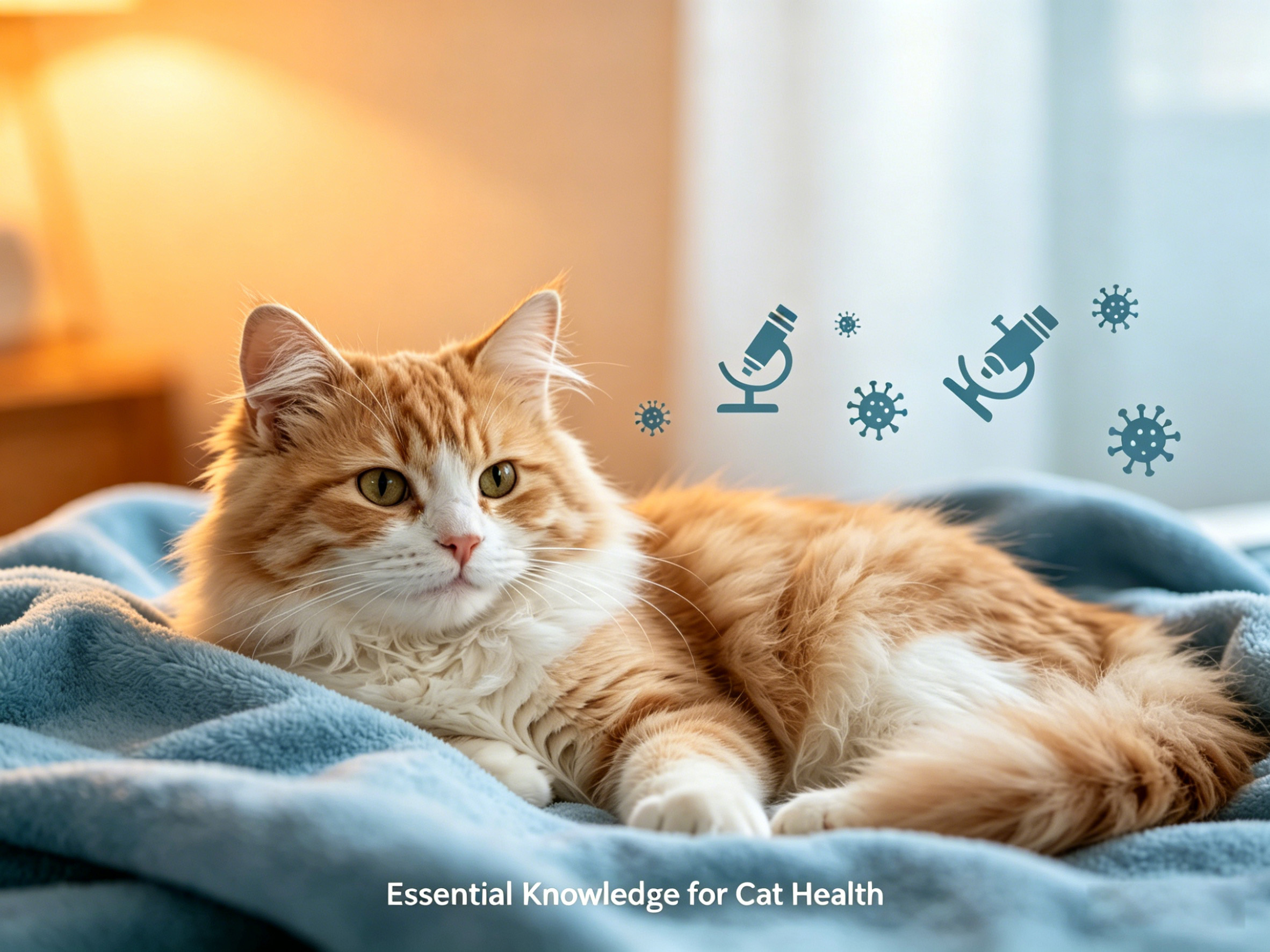
Feline Infectious Peritonitis (FIP) is a serious, often fatal viral disease that affects cats worldwide, caused by a mutated strain of the feline coronavirus (FCoV). While FCoV is common in many cat populations—with up to 80% of cats testing positive for the virus at some point—only 5-10% of infected cats develop FIP, as the virus must undergo specific mutations to trigger the disease’s devastating effects. Understanding FIP’s fundamentals is critical for cat owners to protect their pets, detect early signs, and make informed decisions about care.
FIP is an aberrant immune response to FCoV infection, where the mutated virus invades white blood cells (monocytes) and spreads throughout the body, causing systemic inflammation and organ damage. Unlike FCoV, which is transmissible, FIP itself cannot be passed directly from cat to cat. FCoV spreads through contact with an infected cat’s feces, saliva, or contaminated surfaces (e.g., food bowls, bedding), but most cats exposed to FCoV never develop FIP.
Certain cats are at higher risk of developing FIP, including kittens under 1 year old (with waning maternal antibodies), senior cats over 11 years old, purebred cats, and cats living in overcrowded environments like shelters or catteries. Without treatment, FIP is nearly 100% fatal, but advancements in antiviral medications (such as GS-441524 and remdesivir) have improved survival rates to over 80% when administered early.
The key takeaway for cat owners: FIP is not a common disease, but it is a serious one. Knowing the basics of FCoV and FIP helps you recognize risk factors and take proactive steps to keep your cat healthy.